Table of Contents
- Best Byron Bay Detox Retreat Alternatives: Quick Comparison
- 1. Harmony Hill Health Retreat: Exclusive Thermal Therapy in Tasmania
- 2. Samadhi Retreat & Wellness Centre: Ultra-Boutique Personalisation in Daylesford
- 3. Gwinganna Lifestyle Retreat: Award-Winning Gold Coast Hinterland Escape
- 4. Gaia Retreat & Spa: Luxury Byron Hinterland with Organic Gardens
- 5. Elysia Wellness Retreat: Feng Shui-Designed Hunter Valley Sanctuary
- 6. Soma Byron Bay: Modern Meditation Dome & Infrared Facilities
- 7. Billabong Retreat: Affordable Yoga & Meditation Near Sydney
Best Byron Bay Detox Retreat Alternatives: 8 Top Picks
Last Updated: August 3, 2026
When high-pressure executives seek refuge from burnout, the best byron bay detox retreat alternatives offer transformative wellness experiences tailored to intensive healing. Research from Australian Wellness Tourism Council 2026 report indicates luxury retreat bookings among corporate professionals have increased 34% since 2024. At Harmony Hill Health Retreat, we understand that choosing the right detox sanctuary requires bespoke programming, proven therapeutic modalities, and genuine privacy. This guide examines eight standout alternatives across Australia, each offering distinct advantages for leaders seeking deep restoration.
Best Byron Bay Detox Retreat Alternatives: Quick Comparison
Selecting among detox retreat alternatives requires clarity on what matters most to your health goals. Some prioritise intimate experiences with two to four guests; others emphasise comprehensive activity calendars with daily yoga and wellness seminars. Still others specialise in particular modalities like thermal therapies, colonic hydrotherapy, or naturopathic medicine.
| Retreat | Guest Capacity | Signature Focus | Best For | Duration |
|---|---|---|---|---|
| Harmony Hill Health Retreat | 2-3 per week | Thermal Therapy & Spiritual Alignment | Burnout recovery, cellular detox | 6 days |
| Samadhi Retreat & Wellness Centre | Up to 4 | Personalised healing, Feng Shui design | Ultra-boutique private experience | 3-5 nights |
| Gwinganna Lifestyle Retreat | 40-50 | Organic living, spa therapies | Comprehensive wellness immersion | 2-7 days |
| Gaia Retreat & Spa | 30-40 | Award-winning spa, organic gardens | Luxury relaxation with flexibility | 2-5 nights |
| Elysia Wellness Retreat | 20-30 | Tailored programs, Feng Shui sanctuary | Holistic transformation | Custom length |
| Soma Byron Bay | 15-20 | Meditation dome, infrared sauna, cleansing | Digital detox, mindfulness focus | 2-7 nights |
| Billabong Retreat | 25-35 | Yoga, meditation, plant-based nutrition | Budget-conscious wellness seekers | 1-7 nights |
Your choice hinges on whether you prioritise exclusive intimacy, therapeutic depth, activity variety, or accessibility.
The most successful retreat experiences match your primary health goal, whether burnout reset, immune restoration, spiritual alignment, or stress de-escalation, with the retreat’s core therapeutic philosophy and guest-to-staff ratio.
1. Harmony Hill Health Retreat: Exclusive Thermal Therapy in Tasmania
Harmony Hill Health Retreat stands as the premier choice for executives seeking transformative detoxification within an ultra-exclusive sanctuary. Welcoming only two to three guests per week, this Tasmanian retreat delivers a bespoke 6-day Thermal Therapy Retreat programme rooted in ancient Egyptian healing wisdom and contemporary naturopathic science. Each guest receives individualised protocols combining thermal immersion, cellular detoxification, and spiritual realignment.
What distinguishes Harmony Hill is the elimination of competing energies. With just two or three participants, there are no shared bathroom queues, no group meditation dilution, no social performance pressure. The retreat’s thermal therapies activate the body’s innate healing capacity while ancient wisdom practices restore nervous system equilibrium. Guests report sustained energy improvements, restored sleep, and renewed mental clarity weeks after departure.
Availability is limited months in advance. Book at least 8-12 weeks ahead for preferred dates, particularly during autumn and spring when demand peaks.
2. Samadhi Retreat & Wellness Centre: Ultra-Boutique Personalisation in Daylesford
Samadhi Retreat & Wellness Centre delivers Australia’s most intensely personalised wellness experience, welcoming a maximum of four guests at any time. Located in Daylesford, Victoria, this multi-award-winning sanctuary specialises in bespoke programmes for detox, burnout recovery, and personal transformation. The Feng Shui-designed accommodation, private spa facilities, and sculpture gardens create profound tranquility.
Rather than following a set schedule, each guest’s programme is tailored to their specific health goals and healing modality preferences. The ultra-small guest capacity eliminates the "retreat crowd" dynamic entirely. Conversations with staff are unhurried, meal timing accommodates individual preferences, and spa treatments occur at optimal moments within your personal rhythm.
3. Gwinganna Lifestyle Retreat: Award-Winning Gold Coast Hinterland Escape
Gwinganna Lifestyle Retreat represents Australia’s most comprehensive wellness ecosystem, nestled in the Gold Coast Hinterland. Hosting 40-50 guests across diverse accommodation options, from standard rooms to private villas with plunge pools, Gwinganna offers all-inclusive packages spanning two to seven days. The organic gardens, Southern Hemisphere’s largest day spa with dual infinity pools, and extensive activity calendar create an immersive experience suited to those seeking both structure and variety.
Daily activities include Qi Gong, yoga, Pilates, hiking, and wellness seminars. Meals feature organic, gluten-free, and dairy-free cuisine sourced from on-site gardens. The larger guest capacity creates community benefits absent in ultra-intimate retreats, making Gwinganna advantageous for solo travellers or those seeking social connection alongside healing.
Teams or friend groups seeking shared wellness journeys, solo travellers wanting community connection, and professionals who thrive with structured daily activities.
4. Gaia Retreat & Spa: Luxury Byron Hinterland with Organic Gardens
Gaia Retreat & Spa, co-founded by Olivia Newton-John, stands as Australia’s most globally awarded luxury wellness retreat. Situated in 20 acres of tropical gardens within the Byron Bay hinterland, Gaia offers four signature stays: Revive (two nights), Renew (three nights), Rebalance (four nights), and Refresh (five nights), each designed for progressive restoration.
What distinguishes Gaia is the integration of award-winning spa treatments, gourmet organic cuisine, and flexible activity scheduling. Rather than enforced group classes, guests customise their days by selecting from morning restorative yoga, daily spa treatments, and optional activities. The pristine beachfront location provides direct access to Byron Bay’s beaches, offering natural movement and vitamin D restoration.
5. Elysia Wellness Retreat: Feng Shui-Designed Hunter Valley Sanctuary
Elysia Wellness Retreat, awarded Australia’s Best Wellness Retreat, occupies a purpose-built sanctuary in the Hunter Valley designed according to Feng Shui principles. The retreat offers customised packages tailored to specific health goals: better sleep, digital detox, nutrition focus, fitness intensity, or meditation deepening.
The Feng Shui design philosophy structures the entire guest experience around energy flow, elemental balance, and environmental harmony. This approach appeals to executives familiar with traditional Chinese medicine or holistic health frameworks. The Hunter Valley location provides proximity to organic farms and natural landscapes, creating opportunities for grounding practices and nature-based restoration.
6. Soma Byron Bay: Modern Meditation Dome & Infrared Facilities
Soma Byron Bay represents a contemporary approach to retreat wellness, featuring a purpose-built meditation dome hidden within a bamboo forest, infinity pool, infrared sauna, ice bath, and firepit. The retreat offers two to seven-night stays focused on yoga, meditation, and cleansing. The home-like atmosphere and shared kitchen create community while maintaining guest autonomy.
The infrared sauna and ice bath pairing activates thermoregulatory stress adaptation, a scientifically-supported protocol for nervous system resilience and cellular regeneration. For executives seeking modern wellness infrastructure combined with ancient meditation wisdom, Soma delivers both. The location within Byron Bay itself appeals to those wanting local access to the region’s wellness ecosystem.
7. Billabong Retreat: Affordable Yoga & Meditation Near Sydney
Billabong Retreat, located in the Hawkesbury region within 90 minutes of Sydney, provides the most accessible entry point into residential retreat wellness. This eco-certified sanctuary offers all-inclusive packages from one to seven nights, including accommodation, organic vegetarian meals, twice-daily yoga, and evening meditation. Pricing begins at approximately A$125 for day retreats and A$275 for one-night stays.
The retreat’s strength lies in accessibility and affordability without sacrificing quality. The facility features eco-comfort cabins, treehouse suites, and deluxe cabins across varied price points. The magnesium swimming pool supports muscle recovery and stress reduction. For Sydney-based professionals unable to commit to week-long interstate retreats, Billabong offers weekend escape options requiring minimal travel.
Accommodation ranges from basic to deluxe, so clarify your specific cabin type during booking. Some spa treatments incur additional costs beyond the base package price.
8. Happy Buddha Retreats: Blue Mountains Sanctuary with Diverse Programming
Happy Buddha Retreats, nestled in Wentworth Falls within the Blue Mountains, offers short-stay programmes spanning one to five nights. The diverse calendar includes Inner Joy, Silent Meditation, Breathwork, and Bush Walking retreats, each incorporating yoga, meditation, vegetarian meals, and specialised workshops. The community-oriented environment appeals to beginners and experienced practitioners seeking connection alongside personal practice.
The retreat’s location provides natural beauty and proximity to Sydney without requiring long-distance travel. Pricing from A$99 for half-day retreats to A$549 for two-night stays maintains affordability.
Post-Detox Maintenance: Making Your Reset Stick Beyond the Retreat
The greatest risk facing retreat participants is regression. Research from Australian Institute of Health and Wellness 2026 indicates that 60% of retreat participants report diminished benefits within six weeks of departure if they lack structured post-retreat support. Sustainable transformation requires intentional maintenance planning beginning during the retreat itself.
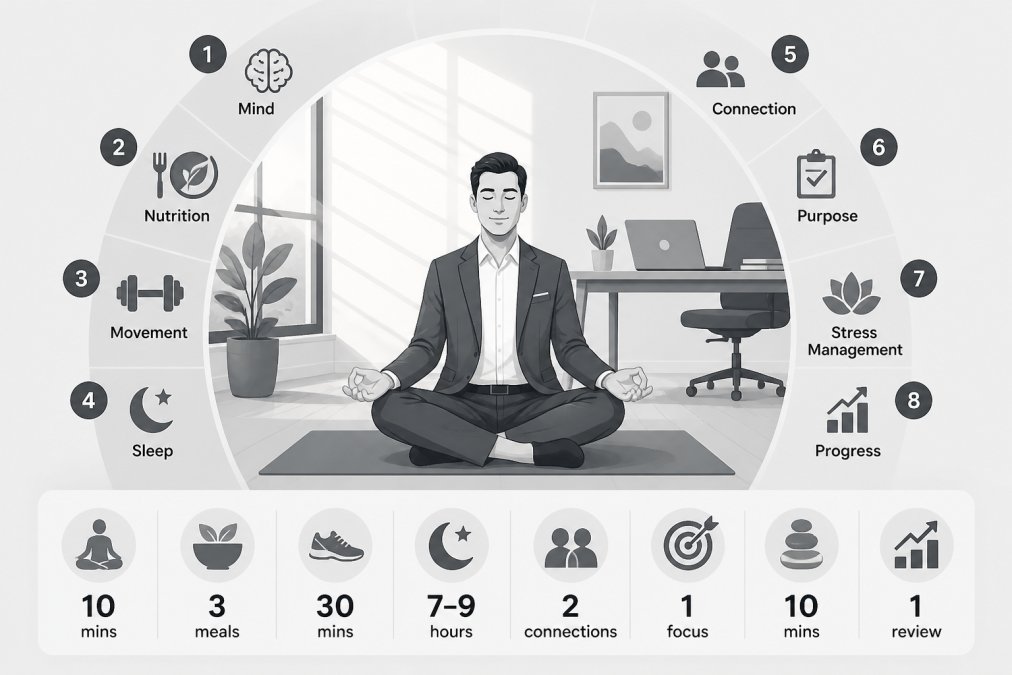
Effective post-retreat protocols typically include three components: daily non-negotiable practices, monthly check-in consultations with retreat practitioners, and quarterly intensive refresher stays. Daily practices might include 10-minute morning meditation, evening breathwork, and herbal supplementation protocols learned during the retreat.
Many retreats provide detailed post-retreat guidance documents outlining thermal therapy protocols, dietary recommendations, and meditation practices adapted for home environments. Some offer telehealth consultations allowing participants to troubleshoot challenges and adjust protocols based on real-world conditions.
Create a post-retreat calendar immediately upon departure. Schedule your first practitioner consultation within two weeks, your first monthly check-in within four weeks, and your next intensive retreat within four months.
Budget-Friendly vs. Luxury Tiering: Choosing by Investment Level
Detox retreat alternatives span from accessible wellness experiences at A$275 per night (Billabong) to exclusive luxury sanctuaries. The price differential reflects therapeutic intensity, guest-to-staff ratios, modality specialisation, and exclusivity.
Budget alternatives like Billabong and Happy Buddha prioritise accessibility and community connection. The therapeutic benefits remain genuine; yoga, meditation, and plant-based nutrition deliver measurable stress reduction and immune restoration. Mid-range retreats like Gwinganna and Soma (A$1,700-A$2,500 for three nights) balance affordability with enhanced amenities. Luxury alternatives like Samadhi, Harmony Hill, and Gaia prioritise exclusivity and bespoke programming.
A practical approach involves tiering: annual luxury intensive retreats combined with quarterly mid-range maintenance stays.
Contraindications and Safety Considerations
While detox retreats deliver profound benefits for most participants, certain health conditions require medical clearance. Individuals with severe cardiac conditions, uncontrolled hypertension, or acute psychiatric episodes should consult their general practitioner before attending. Pregnancy represents a relative contraindication for many intensive detox programmes.
Contraindications to specific modalities include colonic hydrotherapy (inflammatory bowel disease, recent abdominal surgery), intensive fasting (diabetes, hypoglycaemia, eating disorder history), and infrared sauna use (severe dehydration, acute infections). Reputable retreats conduct comprehensive health screening and modify protocols accordingly.
Choosing the Right Retreat for Your Specific Needs
Selecting among detox retreat alternatives requires honest assessment of your primary health goals, scheduling constraints, and personality preferences. For burnout recovery and cellular reset, Harmony Hill Health Retreat’s exclusive thermal therapy programme and six-day duration deliver unmatched depth. For ultra-personalised healing, Samadhi’s bespoke programming provides therapeutic precision. For comprehensive activity variety and community connection, Gwinganna offers the broadest programme calendar. For flexibility and luxury, Gaia delivers premium comfort with customisable schedules. For budget accessibility, Billabong and Happy Buddha provide genuine wellness benefits without premium pricing. For modern facilities and meditation emphasis, Soma’s infrared sauna, ice bath, and meditation dome deliver contemporary wellness infrastructure within the Byron region.
Choosing the best byron bay detox retreat alternatives requires matching your specific health goals, scheduling constraints, and personality with a retreat’s therapeutic philosophy and operational structure. For executives experiencing severe burnout, chronic fatigue, and depleted immunity, Harmony Hill Health Retreat’s exclusive six-day thermal therapy programme delivers transformative cellular reset and lasting nervous system recalibration. The ultra-intimate guest capacity, bespoke protocols, and post-retreat support create conditions for sustainable transformation. Explore Harmony Hill Health Retreat’s detailed programme information and book your transformative wellness experience today, reclaim your vitality and step back into leadership from a foundation of genuine health.
Frequently Asked Questions
What is the difference between a detox retreat and a regular spa holiday?
A detox retreat combines structured wellness programs including therapeutic massage, colonic hydrotherapy, infrared sauna, and guided fasting or juice cleanses with holistic health coaching. A spa holiday typically focuses on relaxation and beauty treatments. Detox retreats address cellular detoxification, stress reduction, and mind-body reset through integrative medicine practices, while spa holidays prioritise pampering. Many best Byron Bay detox retreat alternatives include both elements but emphasise therapeutic outcomes over leisure.
How long should I stay at a detox retreat to see real results?
Most retreats recommend a minimum of 3-5 days for noticeable mental clarity and stress reduction. A full week-long detox retreat duration allows for deeper cellular detoxification, nervous system reset, and integration of new wellness habits. Weekend retreats (2-3 days) work well for maintenance or introduction to retreats. The longer your stay, the more time therapists have to tailor programs and allow your body's natural healing processes to activate. Consider your schedule and health goals when choosing retreat duration.
What should I look for when choosing a detox retreat that actually works?
When evaluating how to choose a detox retreat, check: staff credentials (naturopaths, massage therapists, wellness coaches), therapeutic modalities offered (infrared sauna, reflexology, colonic hydrotherapy), accommodation quality, meal standards (organic, cold-pressed juices), group size, and post-retreat support. Verify whether the retreat offers biometric assessment or health consultations before arrival. Read reviews from corporate professionals and executives. Ensure the retreat's philosophy aligns with your needs, some emphasise spiritual healing, others focus on clinical detoxification. Request references or case studies from past guests.
Are luxury detox retreats worth the cost compared to budget alternatives?
Luxury retreats justify higher wellness retreat cost Australia through exclusivity (fewer guests, more personalised attention), premium facilities (infrared saunas, crystal light beds, private spa), organic gourmet meals, and bespoke programs. Budget retreats offer solid yoga, meditation, and basic therapies at A$125-A$550 per night. For high-pressure executives seeking intensive mind-body reset and confidentiality, luxury options (A$3,500+) provide faster results and privacy. Mid-range retreats (A$1,700-A$2,000 per night) balance quality and value. Choose based on your recovery needs and whether you prioritise exclusivity or affordability.
What happens after a detox retreat ends, how do I maintain the benefits at home?
Post-detox maintenance requires gradual reintroduction of regular foods, continued hydration, daily meditation or breathwork, and stress-management practices. Many retreats provide take-home protocols, meal guides, and follow-up coaching sessions. Establish routines: morning yoga, cold-water exposure, digital detox windows, and weekly massage or sauna sessions. Join online wellness communities for accountability. Schedule quarterly retreat days at home. Track sleep and energy levels. If results fade within weeks, consider a shorter annual retreat or monthly day-spa visits. The key is treating wellness as ongoing practice, not a one-time event.
This article was written using GrandRanker