
Table of Contents
- What Is a Wellness Retreat and Why It Matters
- Types of Wellness Retreats to Match Your Goals
- Key Benefits of Wellness Retreats for Stress and Burnout
- Planning a Wellness Retreat: Essential Steps and Considerations
Last Updated: July 21, 2026
What Is a Wellness Retreat and Why It Matters
A wellness retreat is an immersive getaway combining structured programs, yoga, meditation, therapeutic treatments, and nutritional guidance to reset physical health, mental clarity, and spiritual alignment. Unlike a standard vacation, it provides a deliberate pause from daily stress to activate the body’s natural healing capacity. Most effective programs run 5-7 days, long enough for your nervous system to downshift from fight-or-flight mode and your cells to begin regenerating.
The best time to attend is when you recognize warning signs, persistent fatigue, sleep difficulty, emotional flatness, or failing coping strategies, when your system is primed for transformation.
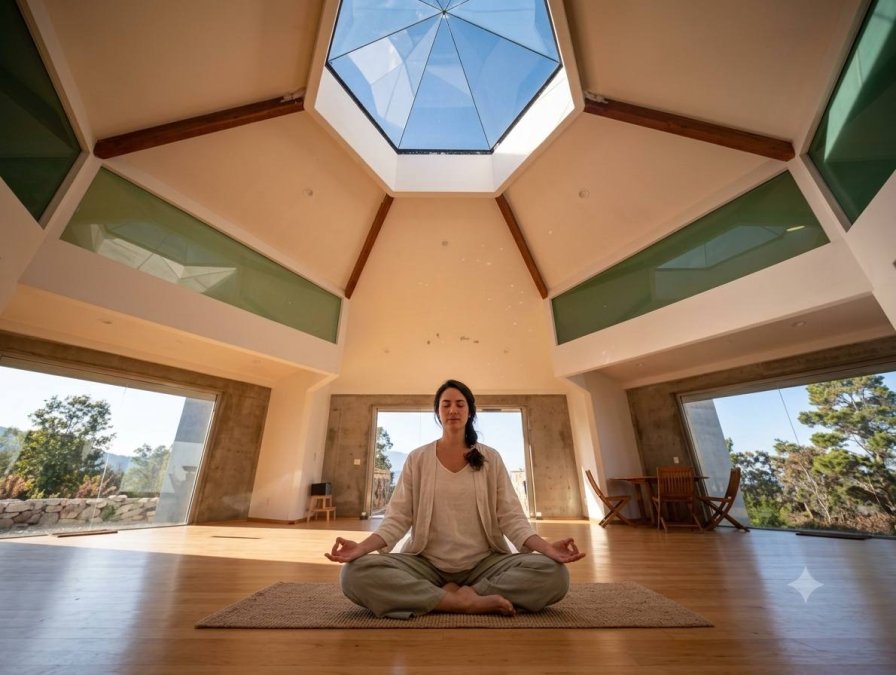
Person meditating peacefully by a natural water feature surrounded by lush greenery and soft natural light, embodying tranquility and mind-body-spirit connection in a serene garden setting
Types of Wellness Retreats to Match Your Goals
Choosing the wrong retreat type wastes both time and money. Understanding these categories helps you select a program aligned with your actual needs.
Stress Management and Mental Wellness Retreats focus on nervous system regulation, mindfulness training, and cognitive reframing through meditation, guided breathing, and therapeutic coaching. They’re ideal for anxiety, racing thoughts, or inability to relax.
Transformative Health and Detox Retreats combine physical detoxification with nutritional reset and movement therapy using thermal therapy, specialized diets, and structured fitness. They’re best for chronic fatigue, digestive issues, or physical aftermath of prolonged stress.
Yoga and Meditation-Focused Retreats center on daily yoga practice, breathwork, and guided meditation as primary healing tools. Expect 2-3 hours of structured practice daily.
Solo Travel and Women-Focused Retreats cater to individuals seeking personal transformation in supportive community. Women-only spaces often allow deeper vulnerability without managing relationship dynamics while healing.
Luxury Wellness and Boutique Retreats emphasize exclusivity, premium accommodations, and personalized service with small group sizes ensuring individualized attention.
|
Retreat Type |
Best For |
Primary Focus |
Typical Duration |
|---|---|---|---|
|
Stress Management |
Anxiety, burnout, mental clarity |
Meditation, coaching, nervous system reset |
5-7 days |
|
Detox/Health |
Fatigue, toxin elimination, metabolic reset |
Thermal therapy, nutrition, movement |
6-10 days |
|
Yoga-Focused |
Spiritual growth, flexibility, mind-body connection |
Daily yoga, breathwork, philosophy |
5-7 days |
|
Solo/Women-Only |
Personal transformation, authentic community |
Customized programming, peer support |
5-7 days |
|
Luxury Boutique |
Deep transformation, exclusivity, personalization |
Bespoke programs, premium setting, small groups |
6-7 days |
Key Benefits of Wellness Retreats for Stress and Burnout
Burnout is a physiological state where your nervous system has been locked in survival mode. A wellness retreat interrupts this pattern at the nervous system level, creating benefits that persist beyond the experience.
Removing yourself from your normal environment for 6 days stops your brain from running familiar stress scripts. Your nervous system begins downshifting almost immediately, with deeper shifts occurring days 3-5. Cortisol levels drop, inflammation decreases, and your immune system begins recovering.
Problems you’ve wrestled with for months often have obvious solutions once you’re out of constant cognitive noise. Your prefrontal cortex gets enough oxygen and glucose to think strategically instead of just reacting tactically. Additionally, burnout numbs you to hunger, fatigue, and emotional distress. A wellness retreat reestablishes the mind-body conversation and helps you recognize early warning signs of stress.
Through thermal therapy, massage, and guided detoxification, your body releases stored tension and toxins, turning on natural regenerative systems. Being around others on similar journeys creates permission for vulnerability and honest sharing about struggles, shifting shame to compassion.
Planning a Wellness Retreat: Essential Steps and Considerations
Step 1: Define Your Primary Goal Get clear on what you’re actually seeking before looking at specific retreats. Write down the one thing you most want to shift. This clarity prevents being seduced by beautiful marketing that doesn’t match your actual need.
Step 2: Assess Your Readiness and Constraints Consider your schedule, budget, and comfort level. Can you genuinely be offline for 6+ days? Are you comfortable in a group setting? Do you have physical limitations or health conditions affecting which programs are appropriate?
Step 3: Research Retreat Centers and Their Credentials Look beyond marketing photos. Research the center’s credentials, facilitator backgrounds, and medical oversight. Legitimate retreats should articulate their methodology and explain how they ensure participant safety.
Step 4: Evaluate the Program Structure Review the daily schedule carefully. How many hours of structured programming versus free time? What’s the group-to-individual ratio? Do they offer follow-up support after you leave?
Step 5: Plan Your Post-Retreat Integration Before arriving, plan how you’ll maintain shifts you make. Will you commit to daily meditation? A movement routine? Specific dietary changes? The retreat is the catalyst; integration makes the change stick.
Step 6: Prepare Mentally and Practically Set expectations that the first 2-3 days might feel uncomfortable as your nervous system downshifts. Arrange work and home life so you can truly disconnect, set an out-of-office message, and ask someone to handle genuine emergencies only.
|
Planning Phase |
Key Questions |
Timeline |
|---|---|---|
|
Goal Definition |
What’s my primary health goal? What do I most want to shift? |
1-2 weeks before |
|
Readiness Assessment |
Can I genuinely disconnect? Do I have physical limitations? What’s my budget? |
2-3 weeks before |
|
Research |
What are the center’s credentials? Who are the facilitators? What’s the clinical oversight? |
4-6 weeks before |
|
Program Evaluation |
How structured is it? What’s the group-to-individual ratio? Is there follow-up support? |
3-4 weeks before |
|
Integration Planning |
What practices will I maintain? Will I work with a coach? What’s my post-retreat routine? |
2 weeks before |
|
Practical Preparation |
Have I arranged work coverage? Set expectations? Informed my team? |
1 week before |
Many high-performing leaders hesitate to invest in a wellness retreat because the cost feels indulgent or the time away feels irresponsible. But the cost of burnout, in lost productivity, health problems, relationship strain, and diminished effectiveness, far exceeds the cost of a week away. According to research on executive wellness interventions, leaders who engage in structured wellness programs show sustained improvements in decision-making, emotional resilience, and work satisfaction. The question isn’t whether you can afford a wellness retreat, it’s whether you can afford not to take one.
Frequently Asked Questions
What are the main benefits of a wellness retreat?
A wellness retreat offers stress management, mental clarity, physical restoration, and spiritual alignment through guided meditation, yoga therapy, therapeutic massage, and immersion in nature. These transformative experiences help reset from burnout and high-pressure lifestyles, activating your body's natural healing capacity. Many participants report lasting improvements in sleep, energy, and overall well-being after completing a structured wellness program.
What types of wellness retreats are available?
Wellness retreats vary widely to match different goals. Yoga and meditation retreats focus on mindfulness and guided practice. Detox and rejuvenation programs emphasize cellular healing and herbal remedies. Luxury wellness resorts combine spa services with fitness and movement classes. Boutique retreats offer exclusive, personalized experiences with smaller group sizes. Choosing depends on your wellness destination preferences, itinerary structure, and desired outcomes—whether stress reduction, fitness improvement, or spiritual growth.
How do I plan a wellness retreat that actually sticks after I leave?
Effective planning includes defining clear wellness goals, selecting a retreat with post-retreat integration support, and committing to actionable practices you can sustain at home. The best wellness programs provide tools, coaching, and follow-up resources to help you maintain progress. Before booking, confirm the retreat offers wellness coaching or community support beyond your stay. Document key insights during your retreat and establish specific daily practices—even 10 minutes of meditation or movement—to anchor your transformation into everyday life.
What should I consider about cost and value when choosing a wellness retreat?
Wellness retreat pricing depends on location, duration, accommodation level, program depth, and group size. Rather than comparing price alone, evaluate the return on investment: Does the retreat address your specific burnout or health concerns? Are programs clinically vetted or led by qualified practitioners? Does it include post-retreat support? Budget options exist across all retreat types, but the cheapest option may lack the depth needed for lasting transformation. Request transparent pricing breakdowns and ask how the retreat ensures results stick beyond your stay.
This article was written using GrandRanker