
Table of Contents
- Why Hobart Is Becoming a Wellness Destination
- Day Spas and Beauty Therapy in the CBD
- Bathhouses, Hydrotherapy and Thermal Experiences
- The Case for a Burnout Recovery Retreat Over a Day Spa
- What to Look for in Detox Retreat Packages
- Getting There: Transport, Parking and Access
- Seasonal Spa Picks and Budget-Friendly Wellness Tips
- Frequently Asked Questions
Last Updated: September 15, 2026
Why Hobart Is Becoming a Wellness Destination
Search interest in spa Hobart Tasmania has climbed steadily as burnt-out professionals look beyond the mainland for somewhere quieter to recover. Hobart’s advantage is geographic: cool clean air, mountain-to-harbour scenery, and a pace of life that forces the nervous system to slow down. At Harmony Hill Health Retreat, we’ve watched that shift up close. Wellness travel here isn’t about marble lobbies; it’s about space, silence, and treatments that treat stress as a clinical problem rather than a luxury. Below, we map the day spas, bathhouses, and retreats worth your time, plus the logistics most guides skip.
Day Spas and Beauty Therapy in the CBD
The CBD concentrates the city’s day spa scene, and most studios sit within a short walk of each other around the waterfront, Salamanca, and the Elizabeth Street retail strip. Expect beauty therapy, organic facials, and remedial work in heritage buildings and small studios rather than sprawling resorts, the model here is one or two treatment rooms, a single therapist, and a menu built around skin and bodywork rather than a full thermal circuit.
A common mistake is booking the cheapest express facial and expecting lasting change. Skin health responds to consistency, not one-off appointments. If you’re in town for a single session, choose a treatment you can repeat at home: a skin consultation, a proper facial, or a focused massage. If you’re here to actually reset, the CBD is your warm-up, not the main event.
Massage Therapy and Skin Health Treatments
Therapeutic massage and skin rejuvenation anchor most CBD menus. As a rough guide to matching treatment to problem:
- Deep tissue or remedial massage suits chronic tension built up over months at a desk. Expect firm, sometimes uncomfortable pressure, and next-day soreness that settles within 48 hours.
- Aromatherapy or relaxation massage suits anyone who needs the nervous system to downshift rather than the muscles worked hard. Lighter pressure, longer strokes, often with an oil blend chosen at intake.
- Pregnancy massage is widely available but should only be booked with a therapist trained in it, and generally not in the first trimester without clearance from your care provider.
- Organic facials and gentle exfoliation beat aggressive peels when your sleep is poor, since stressed skin heals more slowly and reacts more unpredictably to strong acids.
Ask what training your therapist holds and how long the consultation is. A fifteen-minute intake covering injuries, medications, and pressure preference is a good sign; none at all is a red flag. If you intend to claim a rebate through private health insurance, confirm your fund’s requirements and whether the therapist holds a recognised provider number before you book, extras cover varies widely between funds and policies.
Booking and Appointment Logistics
Most CBD studios run Tuesday to Saturday, with Mondays and Sundays either closed or limited to a skeleton roster. Weekday mornings and early afternoons are the easiest slots to secure at short notice; Saturday is the first to fill and often books out a fortnight ahead. If you want a specific therapist rather than whoever is free, say so when booking, many studios will hold a preferred practitioner for regular clients.
Allow more time than the treatment itself. A 60-minute massage usually means 75 to 90 minutes on site once you factor in intake, changing, and the slow exit. Don’t book a facial 30 minutes before a dinner reservation; the point is the downshift, and rushing it defeats the purpose.
If you’re visiting from interstate, book your CBD treatment for the first full day of your trip. It gives you a read on what your body actually needs before you commit to anything longer.
Bathhouses, Hydrotherapy and Thermal Experiences
Thermal bathing is the fastest route to genuine stress relief, and it’s where the city’s spa offering has matured most. A communal bathhouse pairs hot and cold water with steam rooms and saunas, usually on a timed circuit. Hydrotherapy works on the same principle: contrast. Heat opens blood vessels, cold closes them, and the alternation moves fluid and calms the sympathetic nervous system (Checking your browser).
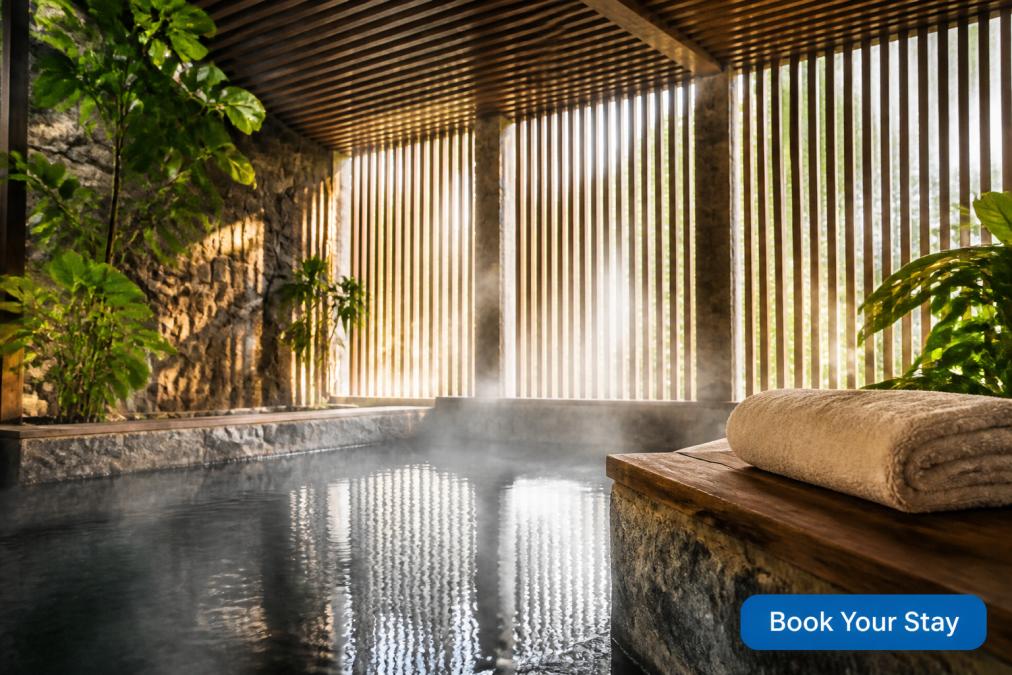
Look for infrared sauna, steam capsules, and swim spa facilities if you want deeper detoxification. Float therapy is the quietest option: an hour of weightless, sensory-reduced rest that many people find easier than meditation. Book off-peak. A crowded thermal circuit is a very different experience from a quiet one.
The Case for a Burnout Recovery Retreat Over a Day Spa
A day spa relaxes you for an afternoon. A burnout recovery retreat is designed to change what your body does under pressure. That distinction matters if you’re arriving with sleep disruption, flattened mood, and a immune system that catches every cold going around. A single massage cannot undo months of survival-mode living. A structured, multi-day program can begin to. Integrating targeted sports massage recovery into your routine helps address the underlying physical tension that often accompanies chronic stress and prolonged exhaustion.
This is where Harmony Hill Health Retreat sits, and it’s a deliberate contrast to the day-spa model. The signature five-night Stress Release Retreat runs for a small group, with bespoke programming built around your specific state rather than a fixed menu. The signature treatments include an Ayurveda salt treatment, whole body remedial massage, detox herbal moxa therapy, and Chakra Healing therapy combining hot stone massage with an organic facial, plus a detox body scrub and mud in steam capsules. You can review the retreat structure and inclusions before committing.
What to Look for in Detox Retreat Packages
Detox retreat packages vary enormously in quality, and the marketing rarely tells you which is which. Judge them on five things:
| What to check | Why it matters |
|---|---|
| Practitioner qualifications | Trained therapists versus untrained “facilitators” |
| Group size | Small groups allow tailored treatment; large ones run to a script |
| Program length | Five nights or more allows a genuine nervous-system reset |
| Follow-up support | Determines whether results hold after you fly home |
| Medical screening | Flags contraindications before treatment, not during |
The last point is the one people skip. If a program doesn’t ask about your medications, blood pressure, or injuries before you arrive, walk away. Detoxification is a real physiological process, and it needs screening, hydration, and rest, not just a strict juice menu. If a full detox is what you’re after, the 6-Night Detox Retreat follows a tailored approach.
Getting There: Transport, Parking and Access
Most CBD spas sit on or near major bus routes, and the city centre is genuinely walkable, so you can leave the car behind. Parking in the CBD is metered and time-limited, which is fine for a two-hour appointment and useless for a full day. If you’re heading to a retreat outside the centre, plan your transfer in advance; many properties are a scenic drive from town rather than a short taxi ride. For accessibility, ring ahead rather than trusting a website. Ask specifically about step-free entry, accessible bathrooms, and whether treatment tables can be lowered. A good operator answers immediately; a vague one tells you plenty.
Seasonal Spa Picks and Budget-Friendly Wellness Tips
Most spa guides ignore the calendar entirely, which is a mistake in a climate this variable. The treatment that feels restorative in July can feel oppressive in January, and the best operators adjust their menus accordingly.
Matching Treatments to the Season
Winter (June to August). Cold air outside makes heat-based treatments feel genuinely therapeutic rather than merely pleasant. This is the season for infrared sauna, steam capsules, hot stone massage, and long hydrotherapy circuits. The contrast between a cold walk back to the car and a warmed-through body is part of the effect. Book later in the day so the warmth carries you into an early night.
Summer (December to February). Heat-based treatments can leave you flat and dehydrated. Shift toward early-morning bookings, cool or lukewarm hydrotherapy, gentle lymphatic massage, and facials that calm rather than stimulate. Hydrate before and after, and treat the waterfront walk or a swim at a sheltered beach as part of the session rather than a separate activity.
Spring and autumn (September to November, March to May). These are the sweet spots for a multi-day stay. Mild walking weather between treatments means you can pair bodywork with a coastal or bushwalk without overheating or getting soaked, and accommodation is generally easier to secure than in peak summer.
A practical rule: in cold months, choose treatments that add heat; in warm months, choose treatments that move fluid and calm the nervous system.
Stretching a Wellness Budget
The cheapest route to feeling better is usually consistency, not intensity. One treatment a month for three months will outperform a single expensive day.
Frequently Asked Questions
Is there a luxury day spa in Hobart?
Yes. The CBD and surrounding suburbs have day spas offering facials, remedial massage, body scrubs and beauty therapy. Many focus on organic products and skin health. For something more intensive than a single appointment, multi-day wellness retreats in the region combine thermal therapy, detox treatments and structured rest. A day spa suits a quick reset; a retreat suits deeper recovery from chronic stress.
How can a 5-night retreat help with professional burnout?
A 5-night retreat removes you from the environment that caused the burnout and gives your nervous system time to settle. Programs typically combine therapeutic massage, hydrotherapy, detox treatments and mindfulness. The length matters: research on stress recovery suggests the body needs several days of consistent rest to shift out of survival mode. Shorter stays can help, but a full week allows deeper restoration.
What should I look for in detox retreat packages?
Check what is included: accommodation, meals, treatments and any follow-up support. Look for programs with qualified practitioners, a clear daily schedule and treatments matched to your goals, whether that is stress relief, skin health or detoxification. Ask about group size. Smaller groups mean more individual attention. Also confirm what happens after you leave, since lasting change depends on what you do next.
Is a multi-day wellness retreat better than a day spa?
They serve different purposes. A day spa is a single appointment, good for relaxation and a quick mood lift. A multi-day retreat is immersive, with consecutive days of treatments, rest and structured meals. For burnout, sleep disruption or chronic fatigue, the cumulative effect of several days away from work usually delivers more than isolated visits. Many people use day spas for maintenance and retreats for a full reset.