

Table of Contents
- Why Mental Preparation Matters for a Wellness Retreat
- Setting Intentions for a Retreat: Define What You Want to Achieve
- How to Disconnect from Work for a Wellness Retreat
- The Benefits of Wellness Retreats for Burnout
- Preparing Your Body and Mind: Sleep, Diet, and Exercise
- Managing Expectations and Dealing with Social Anxiety
- Post-Retreat Integration: Making the Change Last
- Frequently Asked Questions
Last Updated: September 22, 2026
Why Mental Preparation Matters for a Wellness Retreat
Mental preparation is the difference between a wellness retreat that changes you and one that just feels like a nice break. This guide from Harmony Hill Health Retreat covers how to prepare mentally for a wellness retreat, from setting intentions to handling the return home.
The stakes are higher than most people realise. Leaders who arrive mentally unprepared often spend the first two days just settling in, then leave before the real work begins. That is why the mental side matters as much as the booking itself.
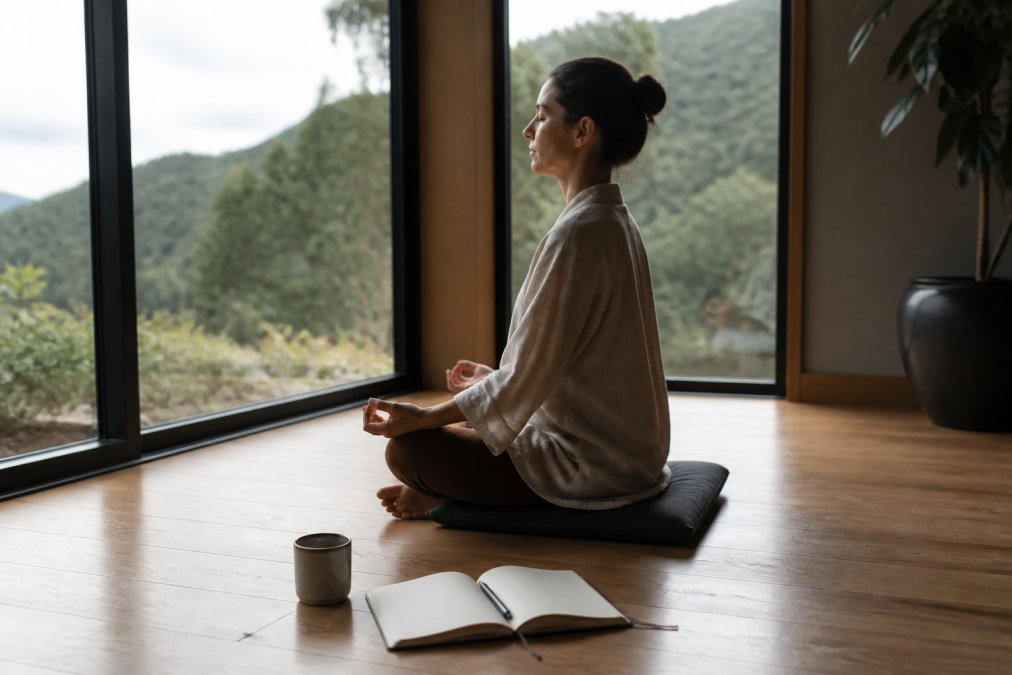
The first 48 hours of any retreat are usually spent unwinding. Prepare mentally beforehand so you do not lose them to the transition.
Setting Intentions for a Retreat: Define What You Want to Achieve
Setting intentions for a retreat means naming, in plain language, what you want to leave with. A clear intention turns six days of rest into a focused reset.
Try this simple process before you go:
- Write down the three things draining you most right now
- For each one, note what “better” would actually look like
- Pick one intention that covers all three
- Keep it to a single sentence
A common mistake is setting vague goals like “relax more.” Vague intentions produce vague results. Something like “I want to sleep through the night without waking at 3am” gives you something to measure.
How to Disconnect from Work for a Wellness Retreat
Disconnecting from work starts weeks before you leave, not on the day you arrive. Most executives who struggle to switch off have not prepared their team for their absence.
Here is what actually works:
- Name a deputy. Give one person clear authority to make decisions.
- Set an out-of-office that answers questions. Point people to who can help.
- Book a buffer day. Return on a Sunday, not the morning of a big meeting.
- Tell your team the plan. Uncertainty creates panic, not independence.
The real test is whether your team can function without you. If they cannot, that is useful information.
Skipping the handover conversation is the most common mistake. Teams that do not know who is in charge will escalate everything to you the moment you return.
The Benefits of Wellness Retreats for Burnout
The benefits of wellness retreats for burnout come from one thing: distance. Removing yourself from the environment that caused the burnout lets your nervous system reset.
Burnout is not just tiredness. It is a state of chronic stress where the body stops recovering properly. Sleep suffers. Immunity drops. Decision-making gets slower.
A retreat works because it changes every input at once:
- New environment, no triggers
- Structured sleep and meals
- Time away from screens
- Physical movement and rest
- Space to think without interruption
At Harmony Hill Health Retreat, the six-day Thermal Therapy program is built around this principle. Only two to three guests attend at a time, which removes the social performance that often comes with group retreats.
Preparing Your Body and Mind: Sleep, Diet, and Exercise
Focus on three areas:
Sleep. Aim for consistent bed and wake times for at least five nights before you go. This makes the shift into retreat rhythm much easier.
Reduce caffeine by about a quarter each day for four days. A gradual taper avoids the crash that a sudden stop causes.
Managing Expectations and Dealing with Social Anxiety
Managing expectations is the most overlooked part of mental preparation. Retreats are not magic. They are a structured environment where change becomes possible, but only if you arrive with a realistic picture of what the first few days actually feel like.
A few things to expect:
- The first day may feel strange and quiet, and you may wonder why you are there
- You may feel emotional as stress leaves your body, tears, irritability, or unexpected grief are common
- Not every activity will resonate with you, and that is not a failure of the retreat
- Progress is not linear; a great day three can be followed by a flat day four
Scripts for setting social boundaries
Social anxiety in small-group settings is common among high performers, especially those who are used to being ‘on’ in every room. The format at a small retreat is designed for privacy, but you still need language to protect your own space. Try these phrases: Establishing these boundaries during the retreat serves as a necessary precursor to cultivating a dedicated home meditation space where you can maintain that same sense of intentional solitude once you return to your daily environment.
- “I am going to sit this one out and rejoin at dinner.”
- “I am keeping meals quiet today, nothing personal.”
- “I would rather listen than share this morning.”
- “Can we pick this up tomorrow? I need some solo time.”
Preparing for a ‘detox’ response
Signs you may be dealing with a detox response:
- Headaches or fatigue
- Irritability or restlessness
- Trouble sleeping, then unusually deep sleep
- A sudden wave of sadness or anger with no obvious trigger
Tell your facilitator on day one if you are tapering caffeine or have a history of anxiety. They can adjust the pace and check in with you discreetly.
The goal of the first two days is not to feel amazing. It is to let your nervous system catch up. Expect the dip, and it will not derail you.
Post-Retreat Integration: Making the Change Last
Post-retreat integration is where most people lose the gains. The calm fades within a week if you return to the same patterns with no plan.
Build a simple re-entry plan before you leave:
| Timeframe | Action | Purpose |
|---|---|---|
| First 48 hours | Keep your sleep schedule and eat at retreat times | Protect the reset |
| Week 1 | Block two quiet hours daily | Preserve mental clarity |
| Week 2 | Reintroduce commitments slowly, one at a time | Avoid overload |
| Month 1 | Review what you have kept and what slipped | Adjust and sustain |
Scripts for protecting your re-entry
The hardest part of coming home is other people’s expectations. Have these ready before you land:
- “I am not taking on new commitments this month.”
- “Can we do a walk instead of a dinner?”
- “I am keeping my mornings free for now.”
- “I will let you know when I have capacity.”
Design your environment before you return
Willpower fades; environment lasts. Before you travel, arrange a few small things so your home supports the change:
- Clear one surface, a chair, a corner, a balcony, as a quiet spot
- Remove or relocate the device you use most for work from your bedroom
- Stock the breakfast you ate on retreat, so the first morning feels familiar
- Put one reminder of your intention somewhere you will see it daily
Plan for the slip
- Return to one retreat habit only, usually sleep or morning quiet
- Re-read your intention from before you left
- Book a single day of leave to reset, rather than waiting for the next retreat
The most common mistake is booking a full social calendar for the week you return. Leave the first three evenings empty.
The goal is not to stay on retreat forever. It is to carry the habits home, one or two at a time, protected on purpose.
Frequently Asked Questions
What do you do at a health retreat?
A health retreat typically combines physical, mental, and spiritual practices to help you reset. You might participate in guided meditation, yoga, thermal therapy, nature walks, and journaling. The focus is on disconnecting from daily stressors and reconnecting with yourself. At Harmony Hill Health Retreat, the 6-day program is designed for deep mind-body detoxification and spiritual alignment, with only two to three guests per week to ensure personalised attention.
How do I set intentions for a wellness retreat?
Start by reflecting on what you want to leave behind and what you hope to gain. Write down specific, positive intentions such as ‘I want to feel calm’ or ‘I want to release tension in my shoulders.’ Avoid vague goals. During the retreat, revisit these intentions daily. Setting intentions helps focus your mind and makes the experience more transformative. Many find it helpful to journal about their intentions before arriving.
How can I disconnect from work before a retreat?
Plan ahead: notify your team and clients at least two weeks in advance, delegate tasks, and set an out-of-office reply. Clear your desk and digital workspace. Consider a ‘digital detox’ starting a day before you leave. At the retreat, hand over your phone if possible. This mental separation is crucial for reaping the full benefits of wellness retreats for burnout. Remember, the goal is to give your brain a complete break from work-related stress.
What is the benefit of thermal therapy for mental health?
Thermal therapy, such as saunas or hot baths, can promote relaxation by triggering the release of endorphins and reducing cortisol levels. This helps alleviate anxiety and improve mood. It also supports detoxification through sweating and can enhance sleep quality. At Harmony Hill Health Retreat, thermal therapy is a core part of the 6-day program, designed to de-escalate the brain and activate the body’s natural healing power.
Burnout does not fix itself, and a week back in the same routine will undo the progress you made. Harmony Hill Health Retreat offers a private six-day Thermal Therapy program for two to three guests at a time, blending ancient Egyptian teachings with modern holistic practice. With over 500 leaders helped and a 97% success rate in switching off “hard mode,” it is built for people who cannot afford another failed reset. Explore Our Retreat and give yourself the space to properly recover.