
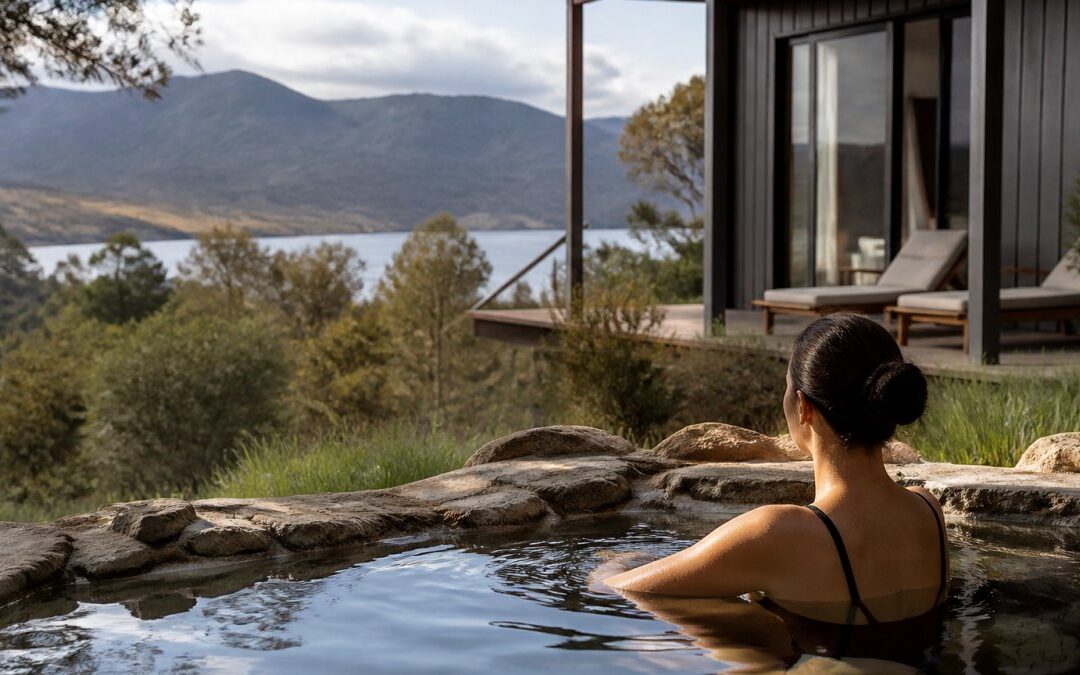
Table of Contents
- Start With the Outcome: Retreat Goals and Outcomes for Leaders
- What a Strong Wellness Retreat Programme Looks Like
- How Wellness Retreat Duration Affects What You Get Out of It
- Questions to Ask Before Booking a Wellness Retreat
- Evaluating Setting, Accommodation and Facilities
- Building the Business Case and Planning Your Return to Work
- Frequently Asked Questions
Last Updated: October 17, 2026
Start With the Outcome: Retreat Goals and Outcomes for Leaders
Choosing the best wellness retreat for professional development starts with one question most booking pages never ask: what do you want to be different when you return to work? At Harmony Hill Health Retreat, we see leaders book a retreat the way they book a holiday, then wonder why the effect fades within a fortnight. The difference between a break and a development investment is a defined outcome, written down before you pay a deposit.
Clarifying What You Actually Need From the Time Away
Write down what a successful week away would change. Common answers from senior leaders include:
- Sleeping through the night without waking at 3am
- Thinking clearly in meetings instead of reacting from fatigue
- Rebuilding a body that has carried months of stress
- Gaining distance from a decision you keep circling
A retreat cannot fix a badly designed job. It can restore the person doing it. Be honest about which problem you have.
Matching Retreat Type to the Result You Want
Different formats produce different results. A silent meditation week builds mental stillness. A fitness-focused program rebuilds physical capacity. A clinical detox retreat suits people who want structured dietary change. A thermal therapy program, like our 6-day Thermal Therapy Retreat, targets deep rest and nervous system reset for people running on empty.
If you cannot name the outcome in one sentence, you are not ready to book. Spend a fortnight tracking your sleep, energy and mood first. The pattern will tell you which retreat type you need.
What a Strong Wellness Retreat Programme Looks Like
A strong wellness retreat programme combines four things: qualified facilitation, a coherent daily rhythm, credible evidence behind its claims, and enough free time to process what surfaces. Programmes that stack back-to-back activities produce exhaustion, not restoration. Ask for a published schedule you can read before booking, and read it critically, a genuine development programme will show you the shape of each day, not just a list of amenities.
Activities, Facilitation and Group Size
Ask who leads each session and what their credentials are. A yoga teacher, a naturopath, a counsellor and a meditation instructor are different roles, and a credible programme names them and states their training.
Our own format caps guests at two to three per stay, which is unusual. It suits people who cannot switch off in a crowd, and it means every session is tailored rather than scripted.
Evaluating the Evidence Behind Wellness Claims
Wellness is an area where confident marketing often outruns the evidence. You do not need a clinical literature review, but you should apply a simple test to every claim a provider makes:
- Is the claim specific? “Reduces stress” is vague; “structured breathwork and thermal therapy sessions designed to support nervous system regulation” tells you what actually happens.
- Is the mechanism explained? A credible provider can describe how a session is meant to work, not just that it works.
- Is the evidence qualified? Honest providers say “many guests report” or “commonly associated with” rather than promising cures.
- Are qualifications matched to claims? A nutrition claim should be backed by a qualified nutrition professional, not a general wellness host.
Treat any programme promising to cure a medical condition with caution. A retreat can support rest, recovery and behaviour change; it should not be positioned as a substitute for medical treatment.
Screening, Safety and Accessibility
A programme that cannot explain its safety and medical screening process is a risk, not a break. Before booking, ask:
- What medical and medication screening happens before arrival, and who reviews it?
- What is the ratio of facilitators to guests, and is anyone on call overnight?
- How are dietary requirements, allergies and mobility needs handled?
- What is the policy if a guest becomes unwell during the stay?
- Is the venue accessible for people with disabilities, and are quiet spaces available?
Leaders with chronic conditions, prescription medication or a history of burnout need a provider that asks about all three before arrival. Written answers are better than verbal assurances, keep them.
A retreat that cannot explain its safety and medical screening process is a risk, not a break. Leaders with chronic conditions or prescription medication need a provider that asks about both before arrival.
If you cannot name the outcome in one sentence, you are not ready to book. Spend a fortnight tracking your sleep, energy and mood first. The pattern will tell you which retreat type you need.
Judge a programme by what it can explain, the schedule, the facilitators, the evidence and the safety net, not by how serene the photographs look.
Ready to see how a tailored programme is structured? View Packages to compare formats and durations.
How Wellness Retreat Duration Affects What You Get Out of It
Duration changes the depth of the result. A weekend retreat takes the edge off. A five to seven day stay gives the body enough time to move past the first few days of withdrawal from caffeine, screens and adrenaline.
The first two days are decompression. The middle days are where the real work happens. The final days are for consolidating habits you can carry home. Cutting a program short usually means paying for the first stage and missing the rest.
Questions to Ask Before Booking a Wellness Retreat
The questions to ask before booking a wellness retreat separate a genuine development investment from a spa with better marketing. Ask them in writing and keep the answers:
- What is the daily schedule, hour by hour?
- Who facilitates each session, and what are their qualifications?
- What is the maximum group size?
- What happens if I have a medical condition or take medication?
- What is included in the rate, and what costs extra?
- What support is offered after I leave?
If a provider cannot answer these clearly, that tells you something. Pricing should also be transparent. We do not publish rates because every stay is bespoke, so ask for a written quote covering accommodation, all sessions and meals.
A retreat that cannot explain its safety and medical screening process is a risk, not a break. Leaders with chronic conditions or prescription medication need a provider that asks about both before arrival.
Evaluating Setting, Accommodation and Facilities
Setting does quiet work that no workshop can replicate. A retreat removed from traffic, notifications and the office produces a different quality of rest than a city hotel with a spa attached.
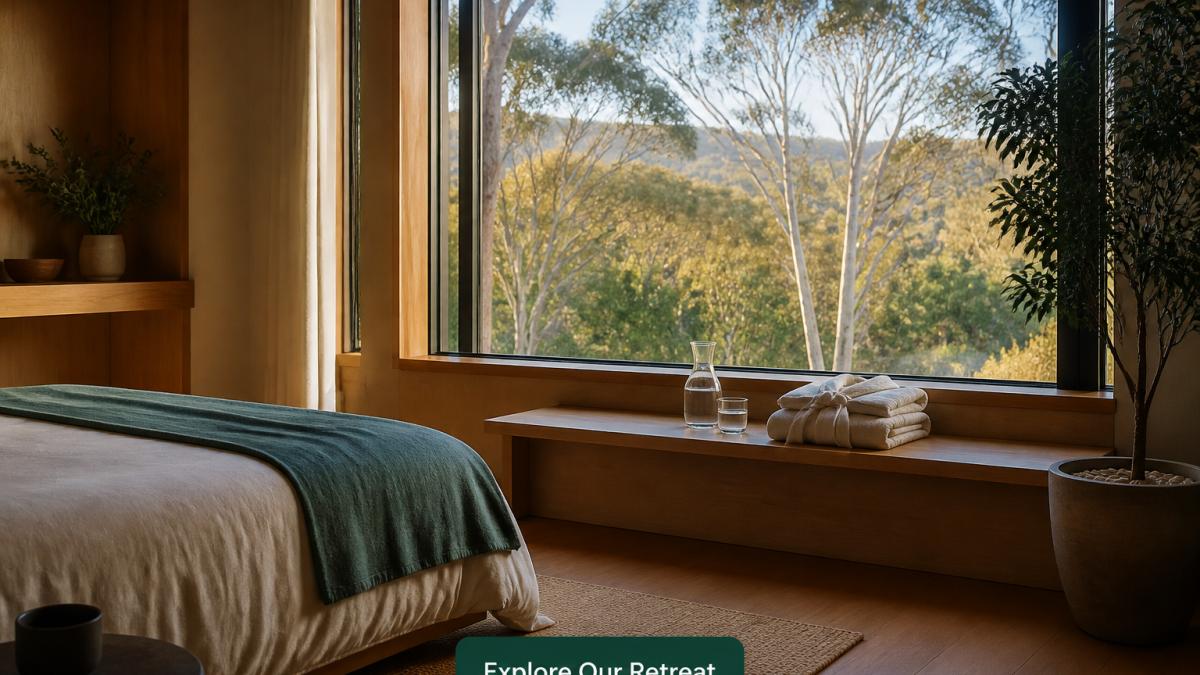
Read the facilities list carefully. A pool and a treatment room are not the same as a program built around thermal therapy, structured rest and individual consultation.
Building the Business Case and Planning Your Return to Work
A retreat is easier to justify when you treat it like any other development spend. That means defining the professional outcomes you expect, connecting them to priorities your employer already cares about, and building a plan to apply what you learn after you return. This is the part most retreat guides skip, and it is the part that turns a break into a development investment.
Defining Professional-Development Outcomes
Before you book, write down two or three workplace outcomes you want the retreat to support. Useful examples include:
- Sustained focus, the ability to concentrate through a full day without the mid-afternoon crash.
- Resilience under pressure, responding to setbacks without reactivity or rumination.
- Clearer decision-making, making judgement calls from a rested rather than depleted state.
- Better communication, listening fully in meetings instead of rehearsing a reply.
- Sustainable energy, reducing the reliance on caffeine and late-night catch-up to function.
Choose outcomes you can observe in your own behaviour. “Feel less stressed” is hard to measure; “sleep through the night without waking at 3am” and “complete a full day of meetings without needing to withdraw” are not.
Measuring Outcomes Before and After
You do not need a formal study to know whether a retreat worked. A simple before-and-after record is enough:
- Two weeks before, note your sleep pattern, energy across the day, and one or two recurring work behaviours you want to change.
- Immediately after, note the same measures and any shifts you notice.
- Thirty, sixty and ninety days later, review again. The ninety-day check is the honest one; most of the benefit either holds or fades by then.
If your employer is sponsoring the retreat, agree in advance which measures you will report back on. A short written summary at the ninety-day mark is far more persuasive than a verbal “it was great”.
Making the Case to Your Employer
Frame the request around outcomes your organisation already tracks or worries about: sustained performance, reduced sick leave, clearer decision-making under pressure, and retention of a senior person. Burnout prevention is a legitimate business case, not a perk, but it lands better when you connect it to specific costs your employer already feels.
A practical request includes:
- The programme, dates and total cost in a single line.
- The two or three outcomes you expect and how you will report on them.
- How your work will be covered while you are away.
- A proposed ninety-day review point.
If your employer cannot fund the full cost, ask about partial sponsorship, professional-development leave, or flexible leave arrangements. Many organisations have development budgets that are rarely drawn on for wellbeing-adjacent programmes simply because no one asks.
Planning the Return and the Ninety-Day Follow-Through
The return matters as much as the stay. Book a light first day back. Block two short sessions in the following fortnight to review what you learned.
A simple 30/60/90 plan keeps the benefit alive:
- First 30 days, protect one habit from the retreat (a morning routine, a screen-free hour, a breathwork practice) and keep it non-negotiable.
- Days 31-60, review what is holding and what has slipped. Adjust rather than abandon.
- Days 61-90, write the short summary for yourself, and for your employer if they sponsored you. Decide what to keep and what to drop.
The retreat does the reset. The calendar you build for the two weeks after it decides whether the reset holds.
For leaders who want the full reset, our 6-Night Detox Retreat and 5-Night Stress Release Retreat are built around exactly this sequence: decompress, do the work, then consolidate. Explore Our Retreat to see which format fits your goals.
Frequently Asked Questions
What should I look for when choosing a wellness retreat for professional development?
Look for a wellness retreat programme with a stated structure: who facilitates it, what qualifications they hold, how many guests attend, and how the days are scheduled. Check that the activities map to the outcome you want, whether that is stress management, sleep recovery or leadership skills. Ask how the retreat handles follow-through after you leave, and confirm the setting and accommodation suit a six-day stay. A small group size and a named facilitator with relevant credentials are stronger signals than glossy marketing copy.
How long should a wellness retreat be to support meaningful change?
Wellness retreat duration matters more than most people expect. A weekend can interrupt stress but rarely shifts entrenched habits. A six-day programme gives enough time for the nervous system to settle, for sleep to normalise and for new routines to take hold. If your goal is burnout recovery or leadership development, prioritise at least five to six nights. Ask what happens on each day, because a longer retreat that simply repeats the same sessions adds little beyond a shorter one.
How can I apply what I learn at a retreat when I return to work?
Ask the provider before booking how they support integration. The strongest programmes build in a plan for the return: a written summary of your intentions, a simple daily practice you can sustain, and guidance on protecting sleep and recovery during busy periods. Tell your team what you are doing and why, block recovery time in your calendar for the first fortnight back, and schedule a check-in with yourself at 30 and 90 days. Without that structure, the benefits fade quickly.
What questions should I ask before booking a wellness retreat?
Ask who facilitates the programme and what their credentials are. Ask how many guests attend, how the schedule is structured, and whether activities are optional or compulsory. Ask what is included in the rate and what costs extra. Ask how the provider handles medical conditions, dietary needs and privacy. Finally, ask how they measure outcomes and what follow-up support exists. Clear answers to these questions separate a well-run retreat from a spa break with a wellness label.