

Table of Contents
- How Infrared Saunas Facilitate Heavy Metal Excretion
- How Long to Stay in Infrared Sauna for Detox
- Heavy Metal Detox Symptoms After Sauna
- Scientific Evidence: The BUS Study and Clinical Research
- TGA Regulations on Sauna Health Claims
- Top Infrared Sauna Systems for Heavy Metal Detox
- Clearlight Sanctuary: Full-spectrum technology for deep detoxification
- Sunlighten mPulse: Wavelength precision and detox programs
- Therasage Thera360 Plus: Portable full-spectrum with EMF shielding
- Health Mate Renew 3: Cost-effective multi-person option
- Harmony Hill Health Retreat: Comprehensive thermal therapy program
- Safety Precautions and Contraindications
- Infrared vs. Traditional Sauna Mechanisms
Last Updated: August 21, 2026
How Infrared Saunas Facilitate Heavy Metal Excretion
Infrared saunas emit far-infrared radiation that penetrates skin tissue, causing water molecules to vibrate and generate internal heat. This activates eccrine sweat glands, and the theory suggests sustained sweating may facilitate excretion of bioaccumulated toxic elements including mercury, lead, cadmium, and arsenic.
However, scientific evidence remains contested. While sweat contains trace metals, concentrations are generally lower than in blood or urine, raising questions about clinical significance. Independent peer-reviewed research specifically demonstrating heavy metal removal through infrared sauna use is limited.
Before committing to infrared sauna therapy for detoxification, consider baseline heavy metal testing. This establishes whether you have elevated toxic loads and provides a measurable reference point for monitoring progress.
The role of eccrine sweat glands in detoxification
Eccrine sweat glands are distributed across all skin surfaces and function as the body’s primary cooling system. When body temperature rises, these glands secrete a dilute salt solution containing water, electrolytes, and trace metabolic byproducts. Research confirms sweat contains measurable levels of lead, cadmium, and other metals, but concentrations are typically far lower than in blood or urine (peer-reviewed research).
This distinction is crucial. The kidneys filter roughly 180 litres of blood daily and concentrate waste into urine, a far more efficient system for removing soluble toxins (peer-reviewed research). The liver processes compounds and excretes them primarily through bile. Sweat is a secondary pathway with limited capacity for heavy metal transport.
Specific heavy metals removed: mercury, lead, cadmium, arsenic
Mercury enters the body primarily through fish consumption and historically through dental amalgams. It binds tightly to sulphur-containing proteins and accumulates in the brain, kidneys, and liver. Direct evidence that infrared saunas mobilise mercury remains anecdotal.
Lead accumulates in bone tissue, where it can persist for decades. Because lead preferentially deposits in skeletal tissue rather than fat, the mechanism by which infrared sauna heat would mobilise bone-stored lead is unclear.
Cadmium accumulates in the kidneys and liver, binding to metallothionein proteins. Like lead, its affinity for organ tissue rather than subcutaneous fat raises questions about whether infrared heat would effectively mobilise it.
Arsenic accumulates in hair, nails, and bone, and is excreted relatively efficiently through urine. Whether infrared sauna use accelerates arsenic excretion beyond baseline rates lacks strong evidence.
The metals most commonly cited in detoxification claims accumulate in tissues, bone, and organs rather than subcutaneous fat where infrared radiation penetrates most effectively. This anatomical mismatch suggests infrared saunas may have limited capacity to mobilise these specific elements.
How Long to Stay in Infrared Sauna for Detox
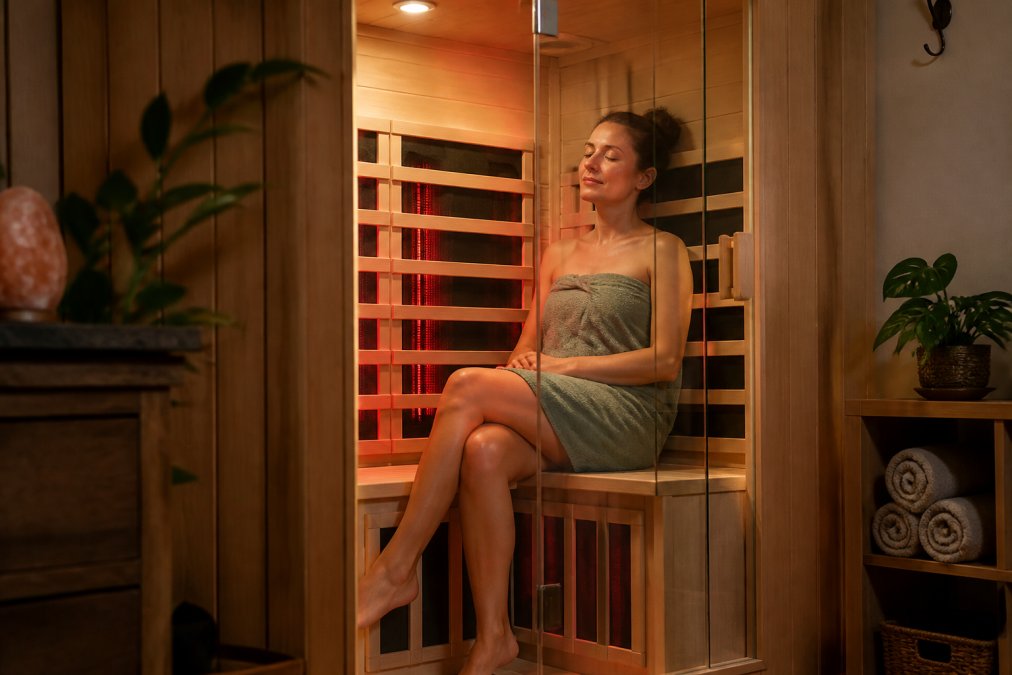
Optimal session duration and frequency
Beginners typically tolerate 15-20 minutes comfortably during initial sessions. As your body adapts, gradually extend sessions to 30-40 minutes. Some experienced users report 45-60 minute sessions, though evidence supporting additional benefit beyond 30-40 minutes remains limited.
Most guidance suggests 3-5 sessions per week as sustainable. This frequency allows adequate recovery while maintaining consistent heat exposure. Daily sauna use increases chronic electrolyte loss risk and may stress the cardiovascular system, particularly for those with underlying health conditions.
The relationship between session length and detoxification outcomes is not linear. A 20-minute session at higher temperatures may produce equivalent sweat volume to a 45-minute session at lower temperatures. Temperature control becomes as important as duration. Most infrared saunas operate between 40-65°C.
Extending sessions beyond your current tolerance to “maximise detoxification” is counterproductive. Excessive heat stress can trigger inflammation, deplete electrolytes rapidly, and strain the cardiovascular system. Start at 15-20 minutes and increase by 5-minute increments weekly.
Pre-sauna preparation protocols
Arrive well-hydrated by drinking 500-750 ml of water 1-2 hours before your session. Avoid substantial meals immediately before sauna use; digestion demands blood flow to the gastrointestinal tract, and combined digestive activity plus heat stress can trigger nausea. A light snack 2-3 hours prior is preferable.
Shower before your session to remove surface oils and debris that interfere with sweat gland function. If you’ve exercised intensely or sweated substantially recently, your electrolyte reserves may be depleted. Consume an electrolyte-containing beverage 30-60 minutes before your session to maintain balance.
Heavy Metal Detox Symptoms After Sauna
Managing nutrient loss and electrolyte replenishment
Sustained sweating depletes electrolytes, particularly sodium, potassium, and magnesium. Symptoms of depletion include headache, muscle cramps, fatigue, dizziness, and nausea. These reflect genuine physiological depletion, not "toxins leaving the body," and require active replenishment.
Post-sauna rehydration requires both fluid and electrolyte replacement. Pure water alone can dilute remaining electrolytes further, potentially worsening imbalances. Consume 500-750 ml of water containing added sodium (approximately 300-500 mg) and potassium (approximately 100-200 mg) within 30 minutes of finishing your session. Commercial electrolyte beverages, coconut water, or a homemade solution of water with sea salt and lemon juice all serve this purpose.
For individuals engaging in frequent sauna use (3+ sessions weekly), a mineral-rich diet becomes important. Incorporate shellfish, leafy greens, nuts, seeds, and organ meats to offset losses.
Integration with binders and supplements
Binders like activated charcoal, bentonite clay, and chlorella are purported to capture heavy metals in the gastrointestinal tract. However, heavy metals mobilised from tissue storage enter the bloodstream, where kidneys filter them for urinary excretion. Binders in the gastrointestinal tract cannot intercept circulating metals; they can only bind metals already present in the digestive tract.
Binders may offer indirect benefit by reducing absorption of newly ingested metals from food sources. If you use binders, separate them from meals, supplements, and medications by at least 2 hours to minimise interference with nutrient absorption.
Supplemental support for phase II detoxification pathways may be more relevant than binders. Sulphur-containing compounds (found in cruciferous vegetables and garlic), glycine, and glutathione precursors support the liver’s capacity to process and excrete metals. red light therapy guide.
Scientific Evidence: The BUS Study and Clinical Research
The most frequently cited evidence for infrared sauna-based heavy metal detoxification is the BUS study, which examined sweat composition and found measurable levels of heavy metals in perspiration. However, the presence of metals in sweat does not automatically translate to clinically significant detoxification. The study did not compare heavy metal excretion through sauna-induced sweat to baseline urinary or faecal excretion.
Beyond the BUS study, peer-reviewed research specifically examining infrared sauna efficacy for heavy metal detoxification is sparse. Most published studies focus on general wellness outcomes, pain reduction, cardiovascular function, and skin health rather than toxic element mobilisation. Claims about heavy metal removal remain largely theoretical.
For individuals genuinely concerned about heavy metal accumulation, the most evidence-based approach remains direct testing. Hair analysis, blood testing, and 24-hour urine collection provide objective data about toxic load. If testing confirms elevated levels, interventions should be guided by a practitioner trained in toxicology and evidence-based detoxification protocols.
TGA Regulations on Sauna Health Claims
The Therapeutic Goods Administration regulates health claims made about therapeutic devices in Australia. The TGA distinguishes between general wellness claims and therapeutic claims. A sauna marketed for "relaxation" operates under different regulatory oversight than one marketed for "detoxification" or "treatment of heavy metal poisoning."
Many infrared sauna manufacturers use language like "supports the body’s natural detoxification processes" rather than making explicit claims about removing heavy metals. Consumers should approach sauna marketing claims with skepticism. If a manufacturer claims their sauna removes specific heavy metals, ask for evidence: published studies, clinical data, and independent testing are appropriate standards.
Top Infrared Sauna Systems for Heavy Metal Detox
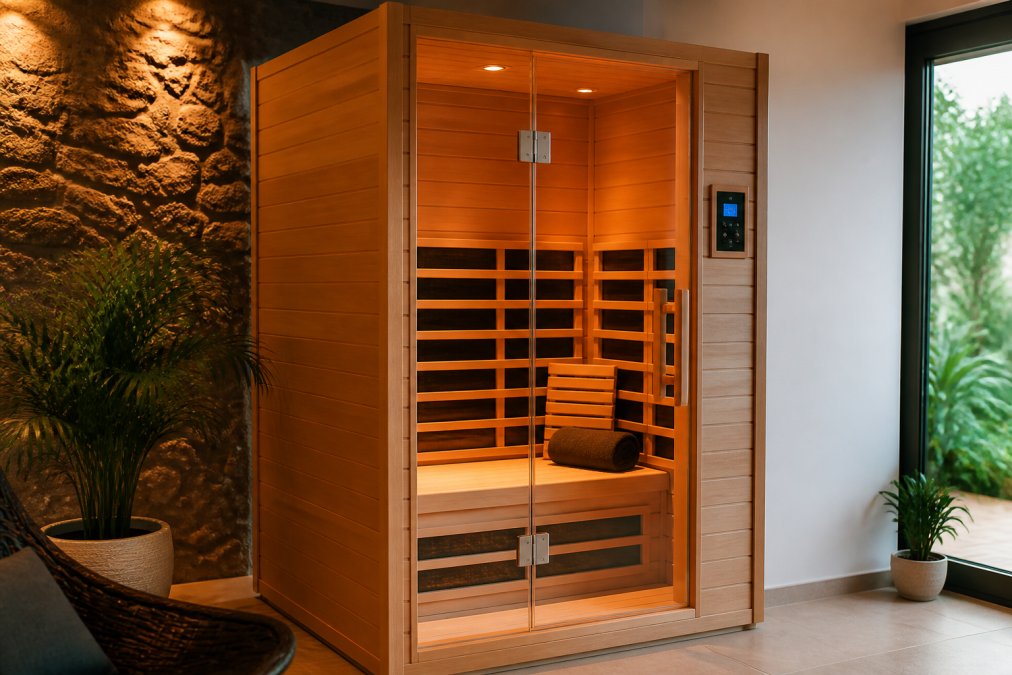
Harmony Hill Health Retreat: Full-spectrum technology for deep detoxification
Harmony Hill Health Retreat offers an exclusive approach through its bespoke 6-day Thermal Therapy Retreat programme. Rather than selling individual units, the retreat integrates infrared sauna use into a comprehensive detoxification experience designed for high-pressure leaders experiencing burnout.
The retreat combines infrared sauna sessions with complementary therapies including mud treatments, salt spa baths, and guided recovery protocols. This integrated model addresses a critical gap: individual sauna ownership often fails because users lack guidance on optimal frequency, pre- and post-session protocols, and integration with supplementation and dietary support. Harmony Hill structures the entire experience to maximise detoxification outcomes.
The facility uses full-spectrum infrared technology, which includes near, mid, and far-infrared wavelengths. Sessions are conducted within the retreat’s framework, where thermal therapy is paired with cellular detox protocols and professional supervision. Limiting retreats to two to three guests ensures personalised attention and allows protocols to be tailored to individual health status and detoxification goals.
If your primary goal is comprehensive detoxification within a structured, supervised environment, a dedicated retreat programme like Harmony Hill Health Retreat’s Thermal Therapy Retreat addresses the implementation gap that home sauna ownership creates. You receive expert guidance, integrated protocols, and accountability.
Clearlight Sanctuary: Full-spectrum technology for deep detoxification
Clearlight Sanctuary saunas represent the premium end of the residential infrared sauna market. These units feature full-spectrum infrared technology combining near, mid, and far-infrared wavelengths. Construction uses Eco-Certified Mahogany or Basswood for durability and sustainability. Heaters employ low EMF/ELF carbon and ceramic technology. Clearlight units include Bluetooth connectivity, MP3 audio integration, and smartphone app control. Optional upgrades include red light therapy towers and halotherapy. The limited lifetime warranty reflects confidence in product longevity. Entry-level Sanctuary models range from approximately $14,999.00 AUD to $15,499.00 AUD for a 1-person model, and up to $21,499.00 AUD for larger models.
Sunlighten mPulse: Wavelength precision and detox programs
The Sunlighten mPulse distinguishes itself through intelligent wavelength control. The PulseIQ™ system independently manages four distinct wavelengths, allowing precise customisation of therapy. The system includes science-backed wellness programmes designed for various outcomes, including dedicated detoxification protocols. SoloCarbon® heaters deliver high-quality infrared with ultra-low EMF. Portable Solo units cost approximately $2,500-$3,200 AUD. Full cabin models can exceed $8,000 AUD, with some models starting around $6,500-$7,000 AUD and going up to $16,000+ AUD.
Therasage Thera360 Plus: Portable full-spectrum with EMF shielding
The Therasage Thera360 Plus occupies the mid-range price segment at approximately $1,428 AUD. The portable, foldable design suits users with limited space. TheraFusion™ InfraRed Technology and Tri-Lite panels deliver full-spectrum coverage. Advanced EMF, ELF, and RF remediation provides shielding against electromagnetic interference. Portability enables easy setup and storage, making it suitable for apartments. However, the portable format cannot replicate the full-body immersion of a traditional cabin sauna.
Health Mate Renew 3: Cost-effective multi-person option
The Health Mate Renew 3 provides a spacious, three-person infrared sauna. Pricing for the Renew series generally falls in the $3,500-$5,000 AUD range, depending on size. Patented Tecoloy™ heaters, including floor heaters, deliver 360° body coverage. Low EMF technology addresses electromagnetic safety concerns. Construction uses durable eucalyptus wood. Bluetooth audio, interior and exterior lighting, and a glass door enhance usability. For families or individuals wanting to share sessions, the three-person capacity justifies the investment.
Safety Precautions and Contraindications
Infrared sauna use is generally safe for healthy adults when conducted responsibly, but specific populations face elevated risks.
Who should avoid infrared sauna therapy
Cardiovascular disease: Individuals with uncontrolled hypertension, heart failure, or recent myocardial infarction face increased cardiovascular stress. Medical clearance from a cardiologist is essential.
Pregnancy: Elevated core body temperature during the first trimester is associated with increased risk of neural tube defects (peer-reviewed research). Pregnant individuals should avoid sauna use, particularly during the first trimester.
Acute infections or fever: Using a sauna while acutely ill places additional stress on an already-taxed immune system. Wait until acute symptoms resolve.
Medications affecting thermoregulation: Certain antidepressants, antihistamines, and anticholinergic drugs impair temperature regulation. Consult your prescriber before sauna use.
Severe dehydration or electrolyte imbalance: Entering a session already depleted increases risk of cramping, dizziness, and cardiac arrhythmias.
Implanted medical devices: Pacemakers and certain implanted devices may malfunction in electromagnetic fields. Consult your cardiologist before sauna use.
Long-term monitoring and testing protocols
Baseline assessment should include heavy metal testing and micronutrient status. Follow-up testing at 8-12 weeks allows assessment of whether sauna use is reducing heavy metal burden. Repeat testing using the same methodology ensures comparability.
Micronutrient monitoring is particularly important for frequent sauna users (3+ sessions weekly). Testing at 12-week intervals helps identify developing deficiencies.
Infrared vs. Traditional Sauna Mechanisms
Traditional saunas heat air to high temperatures (typically 70-100°C) by warming rocks or water. The hot air then heats your body from outside inward. Because air is an inefficient thermal conductor, traditional saunas must reach extreme temperatures to produce meaningful heat penetration.
Infrared saunas emit far-infrared radiation that penetrates directly into skin and subcutaneous tissue, causing water molecules to vibrate and generate heat from within. Because heat is generated internally, infrared saunas operate at lower ambient temperatures (40-65°C) while producing deep tissue heating.
Infrared saunas are more tolerable for individuals sensitive to extreme heat. The lower ambient temperature feels less claustrophobic and allows longer sessions. For detoxification specifically, the direct tissue penetration of infrared radiation may theoretically be more effective than surface-level heating of traditional saunas.
Infrared sauna therapy for heavy metal detoxification remains a practice supported more by theory and anecdote than by strong clinical evidence. For individuals genuinely concerned about heavy metal accumulation, baseline testing should precede any intervention. If testing confirms elevated levels, work with a practitioner trained in toxicology to develop an evidence-based detoxification strategy.
Harmony Hill Health Retreat’s integrated Thermal Therapy Retreat programme addresses a critical gap in individual sauna ownership: the absence of expert guidance, structured protocols, and complementary therapies that optimise detoxification outcomes. For high-pressure leaders seeking a comprehensive reset combined with evidence-based thermal therapy, the retreat model provides supervised, personalised support that home sauna ownership cannot replicate. Book Now to explore how a structured retreat experience can support your detoxification and recovery goals.
=== FAQ ANSWERS (audit these too, same rules) ===
[1] Q: Do infrared saunas actually remove heavy metals from the body?
A: Infrared saunas promote sweat production through far-infrared radiation, which causes vasodilation and increases metabolic activity. Sweat does contain trace amounts of heavy metals including mercury, lead, cadmium, and arsenic. However, the primary route of heavy metal elimination is through the kidneys and digestive system, not sweat. While infrared sauna use may support detoxification as part of a comprehensive approach, it should not be relied upon as the sole method for heavy metal removal. The BUS study provided some evidence of toxic element excretion in sweat, but clinical outcomes remain limited.
[2] Q: How long should I stay in an infrared sauna for detox purposes?
A: Most practitioners recommend starting with 15-20 minute sessions at 40-50°C, gradually increasing to 30-40 minutes as tolerance improves. For heavy metal detox specifically, sessions of 30-45 minutes, 3-4 times per week, are often suggested. However, duration depends on individual fitness, age, and health status. Beginners should start conservatively and increase frequency over several weeks. Always stay hydrated before, during, and after sessions. Consult a healthcare provider before beginning any sauna detox protocol, especially if you have cardiovascular conditions or are taking medications.
[3] Q: What are common symptoms after using an infrared sauna for detox?
A: Users may experience fatigue, headaches, nausea, or mild flu-like symptoms in the first 1-2 weeks of regular sauna use, sometimes called ‘detox symptoms.’ These reactions are believed to occur as the body mobilises stored toxins. Symptoms typically subside as the body adapts. To minimise discomfort, begin with shorter sessions, increase hydration significantly, and replenish electrolytes with mineral-rich foods or supplements. If symptoms persist beyond two weeks or worsen, reduce session frequency and consult a healthcare practitioner.
[4] Q: What does the TGA say about infrared sauna health claims?
A: The Therapeutic Goods Administration (TGA) regulates health claims made about saunas and wellness devices. Any claims that a sauna can ‘detoxify,’ ‘cure,’ or ‘treat’ a disease or medical condition must be supported by clinical evidence and approved as a therapeutic good. Many infrared sauna manufacturers in Australia must comply with AS/NZS 60335 electrical safety standards. Health claims should be cautious and evidence-based; saunas may support wellness and relaxation, but therapeutic claims require TGA substantiation. Always verify that a sauna product meets Australian electrical certification before purchase.
[5] Q: Should I take supplements or binders alongside infrared sauna therapy for heavy metal detox?
A: Many detox practitioners recommend pairing sauna sessions with binders, substances that bind to heavy metals in the digestive tract, such as activated charcoal, bentonite clay, or chlorella, to prevent reabsorption of metals during the detox process. However, binders can also bind to essential nutrients, so timing and quality matter. Electrolyte supplements (magnesium, potassium, sodium) are often recommended to replace minerals lost through sweating. Before starting any supplement regimen, consult a healthcare provider or nutritionist to ensure safety and appropriateness for your individual health status and medications.
Frequently Asked Questions
Q: Do infrared saunas actually remove heavy metals from the body?
A: Infrared saunas promote sweat production through far-infrared radiation, which causes vasodilation and increases metabolic activity. Sweat does contain trace amounts of heavy metals including mercury, lead, cadmium, and arsenic. However, the primary route of heavy metal elimination is through the kidneys and digestive system, not sweat. While infrared sauna use may support detoxification as part of a comprehensive approach, it should not be relied upon as the sole method for heavy metal removal. The BUS study provided some evidence of toxic element excretion in sweat, but clinical outcomes remain limited.
Q: How long should I stay in an infrared sauna for detox purposes?
A: Most practitioners recommend starting with 15-20 minute sessions at 40-50°C, gradually increasing to 30-40 minutes as tolerance improves. For heavy metal detox specifically, sessions of 30-45 minutes, 3-4 times per week, are often suggested. However, duration depends on individual fitness, age, and health status. Beginners should start conservatively and increase frequency over several weeks. Always stay hydrated before, during, and after sessions. Consult a healthcare provider before beginning any sauna detox protocol, especially if you have cardiovascular conditions or are taking medications.
Q: What are common symptoms after using an infrared sauna for detox?
A: Users may experience fatigue, headaches, nausea, or mild flu-like symptoms in the first 1-2 weeks of regular sauna use, sometimes called 'detox symptoms.' These reactions are believed to occur as the body mobilises stored toxins. Symptoms typically subside as the body adapts. To minimise discomfort, begin with shorter sessions, increase hydration significantly, and replenish electrolytes with mineral-rich foods or supplements. If symptoms persist beyond two weeks or worsen, reduce session frequency and consult a healthcare practitioner.
Q: What does the TGA say about infrared sauna health claims?
A: The Therapeutic Goods Administration (TGA) regulates health claims made about saunas and wellness devices. Any claims that a sauna can 'detoxify,' 'cure,' or 'treat' a disease or medical condition must be supported by clinical evidence and approved as a therapeutic good. Many infrared sauna manufacturers in Australia must comply with AS/NZS 60335 electrical safety standards. Health claims should be cautious and evidence-based; saunas may support wellness and relaxation, but therapeutic claims require TGA substantiation. Always verify that a sauna product meets Australian electrical certification before purchase.
Q: Should I take supplements or binders alongside infrared sauna therapy for heavy metal detox?
A: Many detox practitioners recommend pairing sauna sessions with binders, substances that bind to heavy metals in the digestive tract, such as activated charcoal, bentonite clay, or chlorella, to prevent reabsorption of metals during the detox process. However, binders can also bind to essential nutrients, so timing and quality matter. Electrolyte supplements (magnesium, potassium, sodium) are often recommended to replace minerals lost through sweating. Before starting any supplement regimen, consult a healthcare provider or nutritionist to ensure safety and appropriateness for your individual health status and medications.
This article was written using GrandRanker