
Last Updated: November 3, 2026
Quick Summary
A wellness retreat in Tasmania is a structured, multi-day program built around an outcome, while a spa break is a short stay centred on treatments. Choose a six-day program with a full itinerary, small guest numbers and meals included, and confirm inclusions in writing before you book.
- Compare inclusions rather than headline rates, because lower nightly rates often exclude sessions, meals and transfers.
- Harmony Hill Health Retreat caps stays at two to three guests at a time for a personal experience.
- A burnout recovery retreat should include a structured daily rhythm, time in nature, supportive food and a break from work contact.
- Allow a full day on either side of the program rather than arriving straight from an airport.
- Confirm the full itinerary, written inclusions and cancellation terms before booking your stay.
Table of Contents
- What Separates a Wellness Retreat from a Spa Break
- How to Compare a Health Retreat in Tasmania Before You Book
- The Case for a Six-Day Wellness Retreat
- Why a Small Group Wellness Retreat Works for Senior Leaders
- What a Burnout Recovery Retreat in Tasmania Should Include
- Matching the Retreat to Your Goal and Traveller Type
- Planning Your Stay: Timing, Travel and What to Bring
- Book Your Stay at Harmony Hill Health Retreat
- Frequently Asked Questions
What Separates a Wellness Retreat from a Spa Break
A wellness retreat in Tasmania is a structured, multi-day program built around an outcome, while a spa break is a short stay centred on treatments. That distinction decides everything about what you book, what you spend, and whether you come home rested or actually different.
Many executives searching for a wellness retreat in Tasmania want to know whether it will make a lasting difference, or whether it is simply a longer weekend.
A spa break gives you a massage, a facial, a pool, and a late checkout. You leave relaxed. A health retreat in Tasmania that earns the name adds daily structure, guided sessions, food designed for a purpose, and enough consecutive days for your nervous system to drop out of alert mode.
RMIT University’s observational study of wellness retreat guests found retreat experiences were linked to improvements across several areas of health and wellbeing, and those gains held for six weeks afterward. Six weeks. That is the difference between a treatment and a reset.
If the line still feels blurry, our breakdown of wellness retreats versus spa vacations covers it in more detail.
How to Compare a Health Retreat in Tasmania Before You Book
Start by comparing inclusions, not headline rates. A health retreat Tasmania operators list at a lower nightly rate often excludes the sessions, meals, and transfers that make the program work, so the real cost only becomes clear when you add those back in.
Here is the comparison framework we would use:
|
What to check |
Why it matters |
Red flag |
|---|---|---|
|
Program length |
Shorter stays rarely allow a full reset |
One- or two-night “retreats” |
|
Daily structure |
Shows whether there is a real program |
Blank itinerary |
|
Guest numbers |
Small groups mean personal attention |
No stated group size |
|
Practitioner access |
Determines how tailored the stay is |
Group-only sessions |
|
Meals included |
Food is part of the program |
Self-catering only |
|
Post-stay guidance |
Affects whether results last |
Nothing offered |
Ask each property for a full itinerary and a written list of inclusions before you commit.
The Case for a Six-Day Wellness Retreat
A six-day wellness retreat gives the body enough unbroken time to step away from daily pressure before you return to the office.
The first days can feel unfamiliar as you slow down from a busy schedule.
That is why we run a six-day Thermal Therapy Retreat rather than a weekend format.
If you are weighing up length, our piece on why a five-night wellness retreat works explains the same logic from the guest’s side.
Why a Small Group Wellness Retreat Works for Senior Leaders
A small group wellness retreat keeps the number of guests low, so the stay feels more personal than a large group program.
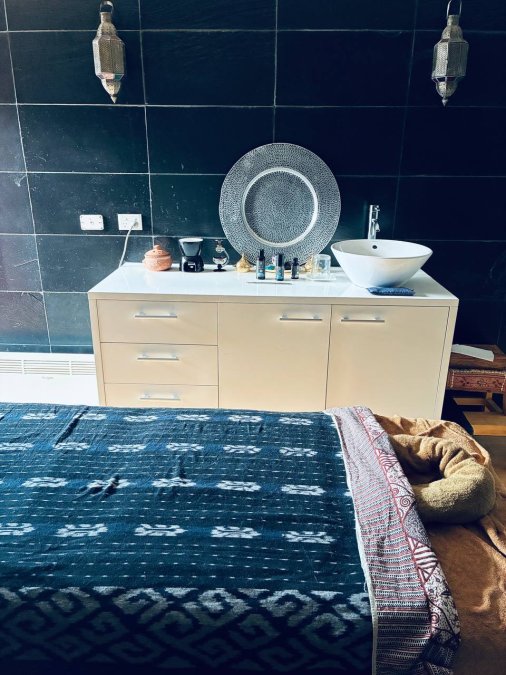
We cap Harmony Hill Health Retreat at two to three guests at a time for exactly this reason.
The full argument sits in our guide to small group wellness retreats.
What a Burnout Recovery Retreat in Tasmania Should Include
A burnout recovery retreat Tasmania guests actually benefit from must include four things: a structured daily rhythm, time in nature, food that supports energy, and a genuine break from work contact.
Burnout is more than tiredness; it is a prolonged stress response that rest alone often does not resolve.
At Harmony Hill Health Retreat, the six-day Thermal Therapy Retreat draws on ancient Egyptian teachings and natural therapies.
Look for these elements when you compare options:
- A daily rhythm that alternates activity and rest
- Guided sessions rather than a list of optional extras
- Clear guidance on managing work contact during the stay
Matching the Retreat to Your Goal and Traveller Type
Most retreat lists treat every guest as the same person. They are not. The right program depends on what you are trying to change and who is travelling with you, so use the matrix below to narrow the field before you compare individual properties.
|
Traveller type |
Primary goal |
What to prioritise |
What to avoid |
|---|---|---|---|
|
Solo traveller |
Rest, reflection, routine |
Small groups, single-occupancy rooms, structured days |
Large resorts with optional extras and no fixed program |
|
Couple (one participating) |
Support without pressure |
Properties that allow a non-participating partner, flexible meal plans |
Programs that require full participation from both guests |
|
Beginner |
Gentle introduction |
Shorter structured stays, guided sessions, clear daily rhythm |
Intense fasting, silent or clinical programs with no screening |
|
Active guest |
Movement and outdoors |
Daily walking, nature-based sessions, varied terrain |
Programs built entirely around indoor treatments |
|
Clinical or restorative need |
Recovery from burnout, illness or chronic stress |
Practitioner-led programs, screening, post-stay plan |
Retreats with no qualified staff or no contraindication advice |
A common mistake is booking the shortest option because the calendar is tight. That usually produces a nice weekend and no lasting change, and the same exhaustion returns within a fortnight. If you are coming straight from a demanding quarter, build in a buffer day at each end rather than flying in and out on the same day.
For couples, ask directly whether a non-participating partner can stay, eat, and use the grounds without joining sessions. Some properties price this separately; others do not allow it at all. For solo travellers, confirm single-occupancy availability and whether the group size is capped, because a small group is the main reason a solo stay feels private rather than lonely.
Watch out: if you have a diagnosed condition, are pregnant, or take prescription medication, ask for the program’s screening process and contraindications in writing before you book. A retreat is not a substitute for medical advice, and a reputable operator will say so.
If you are weighing up length, our piece on why a five-night wellness retreat works explains the same logic from the guest’s side. For a deeper look at how two very different approaches compare on paper, see our side-by-side retreat comparison.
Explore Our Retreat
Planning Your Stay: Timing, Travel and What to Bring
Timing matters more than most guests expect. The region shifts quickly between seasons, and the shoulder seasons often suit a retreat better than midsummer, when popular areas are busiest and your chance of quiet is lower.
|
Season |
Conditions to expect |
Best for |
Trade-offs |
|---|---|---|---|
|
Summer (Dec-Feb) |
Long daylight, warm days, busy coastal areas |
Outdoor walking, early risers |
Higher demand, less solitude |
|
Autumn (Mar-May) |
Mild days, cooler nights, changing foliage |
Quiet stays, active guests |
Unsettled weather |
|
Winter (Jun-Aug) |
Short daylight, cold mornings, snow in alpine areas |
Restorative and indoor-focused programs |
Less outdoor time, travel delays possible |
|
Spring (Sep-Nov) |
Variable weather, longer days returning |
Beginners, mixed programs |
Unpredictable conditions |
Travel time is the other factor people underestimate. Allow a full day on either side of the program. Arriving straight from an airport and a meeting is no way to begin a reset. If you are driving, confirm the final stretch of road and whether a conventional vehicle is suitable; some rural properties sit on unsealed access roads. If you are not driving, ask the property whether transfers can be arranged and what they cost, because not every retreat offers them.
Accessibility is worth confirming early. Ask about step-free access, bathroom grab rails, room location, and whether sessions can be adapted for limited mobility. Smaller properties often have fewer rooms but more flexibility, so a direct conversation beats a website description.
Pack for layers, walking, and wet weather, and bring very little else. A practical list: waterproof jacket, walking shoes, warm mid-layer, comfortable indoor clothing, refillable water bottle, any medication in original packaging, and a paper copy of your itinerary. Most retreats ask you to leave the laptop behind, and that is the point.
Watch out: do not assume phone reception or Wi-Fi will be reliable. If you need to be contactable, confirm coverage with the property before you book, and set an out-of-office reply rather than planning to check in daily.
Book your stay once you have confirmed three things: the full itinerary, the inclusions in writing, and the cancellation terms.
View Packages
Book Your Stay at Harmony Hill Health Retreat
The hardest part is not choosing a retreat. It is accepting that a weekend away will not undo a year of running on empty, and that the fix requires six uninterrupted days.
Harmony Hill Health Retreat is built for that decision. Our six-day Thermal Therapy Retreat welcomes only two to three guests at a time, each stay tailored to the individual, and the program draws on ancient Egyptian teachings and natural therapies. If your goal is a gentler, shorter reset, consider our 5-Night Stress Release Retreat.
We would be glad to talk through whether this is the right fit for you.
Frequently Asked Questions
How long should a wellness retreat last?
Three nights suits a short reset, while five to six nights gives enough distance from work for habits to shift. A six-day wellness retreat allows time for a full cycle of rest, treatment and reintegration rather than a rushed weekend. If you are recovering from burnout, choose the longer format.
Are there burnout recovery retreat Tasmania options for executives?
Yes. Several Tasmanian properties run structured programs rather than general spa stays. Look for a defined duration, a capped guest number and a program that addresses sleep, stress response and daily routine. Harmony Hill Health Retreat runs a six-day Thermal Therapy Retreat for two to three guests at a time, built around de-escalating a chronically activated nervous system. Ask any retreat for its daily schedule and guest-to-practitioner ratio before booking.
What is the difference between a wellness retreat and a spa retreat?
A spa retreat centres on treatments: massage, facials, soak suites and relaxation. A wellness retreat adds structure across the whole day, including movement, mindfulness, nutrition and education, with the aim of changing how you live afterwards. Many Tasmanian resorts offer spa facilities without a program. If your goal is recovery from burnout rather than a pleasant weekend, check whether the property publishes an itinerary and outcomes, not just a treatment menu.
Can I attend a wellness retreat on my own?
Solo attendance is common, and small-group formats make it easier. A small group wellness retreat capped at two or three guests removes the awkwardness of a large cohort and lets the program adapt to you. Tell the retreat you are travelling alone when you enquire so they can confirm the group size and whether single occupancy is available. Ask how much one-to-one time is included, since that is where solo guests get the most value.
If you are ready to stop managing the exhaustion and start reversing it, book your stay at Harmony Hill Health Retreat and give yourself the six days that actually change something.